Can Technology Enhance Conservation Efforts for Wildlife Photographers in Australia?

Evolving Technology in Conservation
In today's rapidly evolving world of conservation, harnessing technology has become crucial to preserving natural habitats. For a photojournalist like myself, living in the picturesque surrounds of Byron Bay, the connection to nature isn't just a passion—it's a lifestyle. As such, I often find myself exploring Voice Recorder innovations while traversing the Cape Byron Lighthouse walking trails.
Satellite Imagery for Habitat Mapping
Satellite imagery has been transformative in habitat mapping, offering an extensive view of ecosystems. These high-resolution images allow for precise monitoring of habitat changes, enabling early detection of deforestation or environmental degradation. This data is invaluable for creating effective conservation strategies.
Drones for Tracking Wildlife
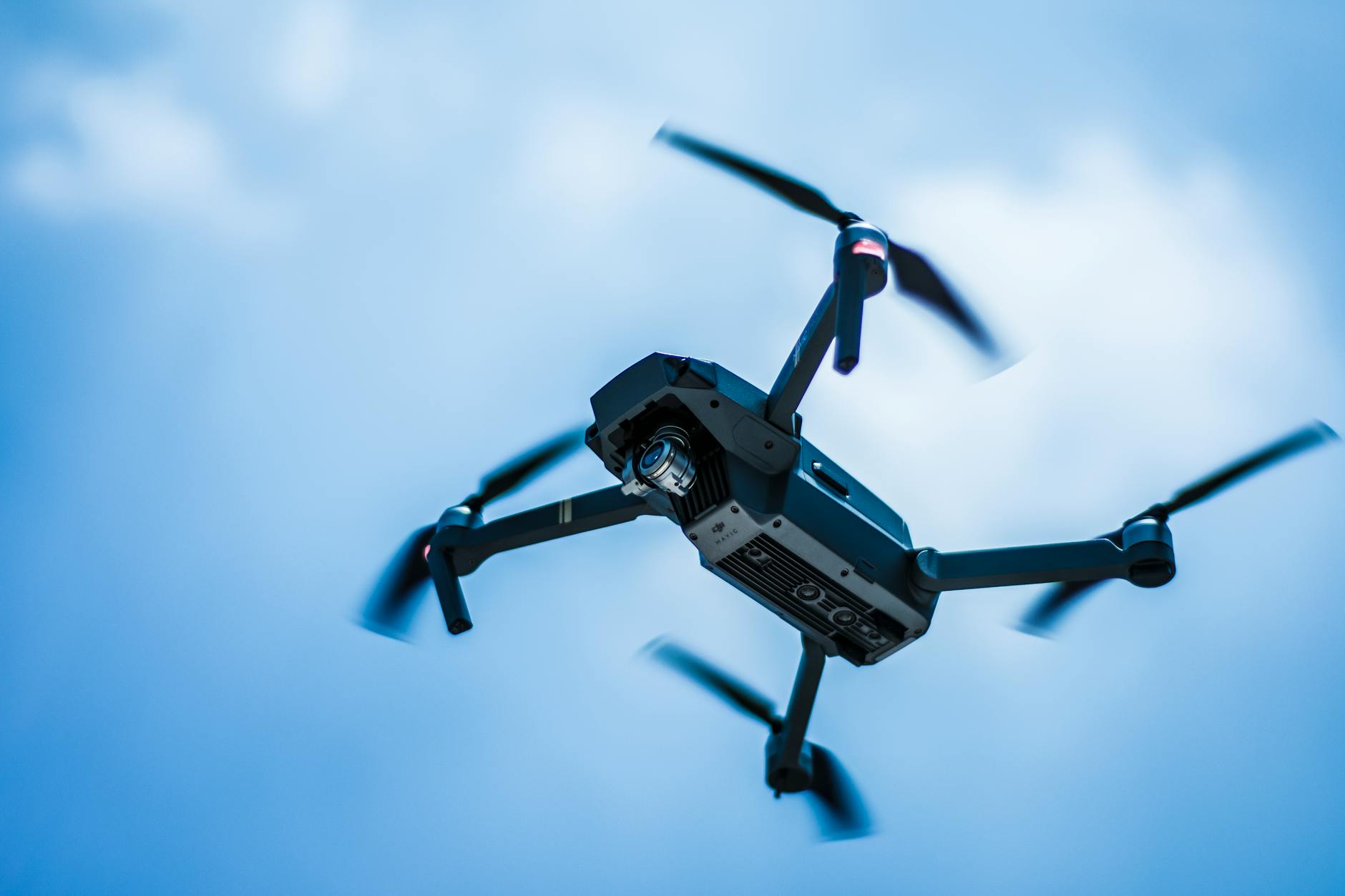
Drones have introduced new possibilities in tracking wildlife populations without intrusive methods. From soaring over the dunes of Arakwal National Park to observing wildlife behaviors, drones offer a unique vantage point. They are particularly helpful in surveying difficult-to-reach areas, providing crucial data without disturbing the natural environment.
Camera Traps for Behavioral Studies
Finally, camera traps have been indispensable for studying animal behaviors. Using a spy camera strategically placed in the wild captures authentic moments without human interference. As we strive for sustainable photography and conservation, these technologies ensure that our impact on wildlife is minimal, preserving the natural world for future generations.
Tools for Wildlife Photographers
Best Photography Drones
In the bustling arts scene of Byron Bay's town centre, innovation meets sustainability as wildlife photographers seek the best tools to capture the natural world ethically. One tool that has revolutionised the field is the photography drone. These devices have transformed how we document wildlife, offering us the ability to capture stunning aerial shots without disturbing the ecosystem below. When selecting a drone, it’s essential to consider a model that balances durability, battery life, and camera quality. Ensuring it's lightweight and includes GPS capabilities, much like a car tracking device, will help you navigate challenging terrains and maximise shot precision.
Advanced Camera Equipment
Investing in the right camera equipment is crucial for wildlife photographers who wish to capture intricate details of their subjects. High-quality lenses that offer excellent zoom capabilities are particularly valuable, allowing photographers to maintain a respectful distance. A reliable car tracker can be invaluable for photographers on the road, ensuring the security of your vehicle and equipment during remote photo shoots. Keeping sustainability in mind, opt for rechargeable batteries and invest in durable gear to reduce environmental waste.
Portable Editing Software
Editing software accessible on portable devices allows photographers to review and enhance their work while on location. Selecting software that runs smoothly on tablets or lightweight laptops can streamline your workflow, enabling you to share breathtaking images with the world in real-time. Many of these programs now offer features that minimise their carbon footprint, using less energy-efficient processes or providing cloud-based solutions that reduce hardware demands. Emphasising sustainability in photography means not only capturing the beauty of wildlife but also protecting it during the creative process.
Impact of Technology on Wildlife
Minimizing Human Disturbance
In my journey exploring the intersection of technology, conservation, and the richness of Byron Bay's trails, I've found that a GPS tracker can be quite the unsung hero in minimising human disturbance around wildlife habitats. These devices provide invaluable real-time data, offering a bird's-eye view of sensitive areas without the need for a physical presence. For young photographers heading out to capture the beauty of spots like the Arakwal National Park, this is a subtle way to ensure that our natural settings remain undisturbed.
Monitoring Endangered Species
Watching over endangered species from a discreet distance is where technology truly shines. The delicate art of monitoring, complemented by precise tools like listening devices, allows wildlife photographers and researchers to track movements and patterns without interfering. This stealthy approach ensures that species living in precarious conditions are not pushed further to the brink.
Preserving Natural Habitats
When trekking through places like Byron Bay's town center or along the Cape Byron Lighthouse trails, it becomes clear how important it is to preserve natural habitats. Technology, when used ethically, plays a crucial role here. Integrating advanced tools enables us to document without intruding, ensuring future generations can experience the untouched allure of these landscapes. As an advocate of sustainability wrapped in a quest for breathtaking visuals, I believe technology is a bridge that unites ethical practice with artistic innovation.
Challenges for Tech Adoption
Dealing with Limited Connectivity
Navigating areas with limited connectivity can pose a challenge, especially in remote parts of Australia like Arakwal National Park. For young travellers, it's essential to consider tools like a Faraday Box, which provide offline functionality to avoid getting lost in those breathtaking, albeit tricky-to-navigate, landscapes. Moreover, pre-downloading maps and route details can be a lifesaver when connectivity fails. A push towards more sustainable tech solutions, like devices powered by solar energy, aligns with an environmentally-focused lifestyle.
Ensuring Equipment Durability
When exploring rugged terrains or unpredictable environments, technology must be durable. Opt for equipment with weather-resistant features. Look for designs that withstand harsh elements such as heat, dust, and rain. This ensures that gear performs optimally in regions like Byron Bay's diverse landscapes, from the coastal Cape Byron Lighthouse walking trails to the hilly interiors.
Balancing Cost and Benefit
Balancing the financial investment versus the benefits of tech gadgets is crucial for adventurous individuals. Prioritize devices that offer both functionality and affordability. Keep an eye out for tools that are not only reasonably priced but also efficient and easy to use, perfect for someone like Liam diving into car safety technology. Embracing a minimalist approach to purchasing focuses on acquiring only what's necessary, echoing sustainable living principles integral to responsible travel.
Sustainable Photography Practices
Ethical Integration of Technology
Embracing technology in wildlife photography involves more than just the equipment we choose. As we wander through places like Arakwal National Park, it's crucial to ensure our presence doesn't disturb the natural harmony. Utilise satellite imagery for habitat mapping to understand the nuances of the terrain and identify regions that require limited interaction. Drones, while effective for capturing breathtaking aerial views, should be employed at a distance to avoid distressing wildlife.
Beginner Tips for Eco-Conscious Photographers
Starting your journey into wildlife photography with a sustainable mindset is empowering. Consider these beginner-friendly tips:
- Opt for second-hand or eco-friendly gear to reduce your carbon footprint.
- Use portable editing software to refine your images without relying on heavy-duty equipment.
- Stick to existing walking trails, like those at Cape Byron Lighthouse, to minimise habitat disruption.
By leveraging tools like camera traps for behavioural studies, you can document animal behavior unobtrusively. This approach not only respects the environment but also provides deeper insights into the subtle habits of wildlife.
Engage with the Community
Collaboration is key in furthering conservation photography. Byron Bay's buzzing arts scene offers plenty of opportunities to connect with like-minded individuals. Teaming up with local conservationists can amplify your impact, creating a network that fosters both creativity and sustainability. While pushing technological boundaries, always remember the overarching goal: to preserve the incredible biodiversity that makes our planet unique.